CCUSの規模拡大:二酸化炭素回収は本当に世界の排出量を逆転させることができるのか?
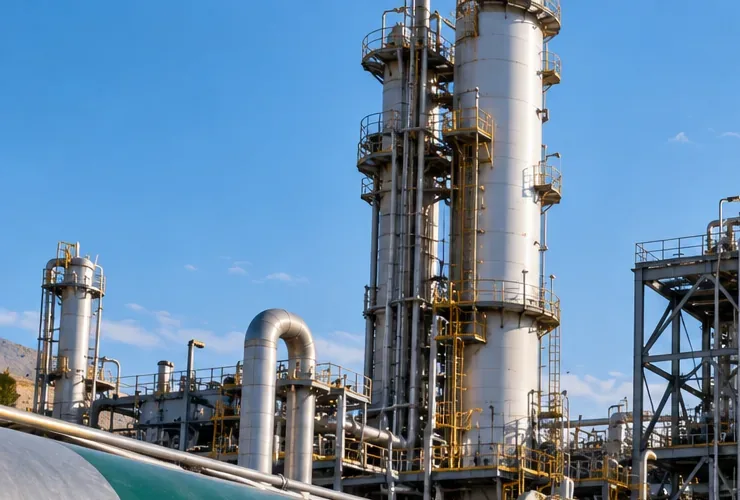
CCUS(二酸化炭素回収・利用・貯留)への投資は増加しているが、二酸化炭素回収は世界の排出量を逆転させることができるのだろうか?その有効性、規模拡大の制約要因、そして重要な証拠について見ていこう。
If you want to work on batteries, the first decision is not which university has the biggest name. It is which layer of the battery problem you want to solve. A materials scientist developing a sodium-ion cathode needs a different graduate education from an engineer designing a battery management system, a pack engineer working on thermal safety, or a power engineer integrating storage into the grid.
That is why this guide does not rank one program as universally “best.” Instead, it compares seven current master’s options that represent different approaches to battery and energy storage engineering: dedicated battery degrees, research-heavy electrochemistry programs, battery systems engineering, and broader power or energy systems programs with meaningful storage content. Program details were checked against official university pages in September 2026.
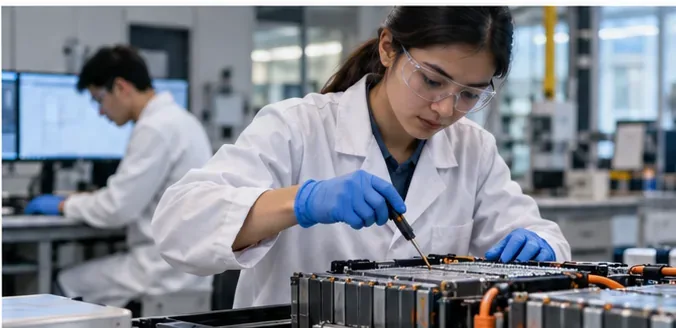
Battery education can look similar in a program title while producing very different skill sets. Before comparing universities, decide which technical layer fits your career target.
| If you want to work on... | Prioritize programs with... | Typical career direction |
|---|---|---|
| Electrodes, electrolytes, solid-state or post-lithium chemistries | Electrochemistry, materials characterization, synthesis, research thesis | Battery materials R&D, cell chemistry, PhD research |
| Cells and manufacturing | Cell design, production, testing, degradation, quality and recycling | Cell development, process engineering, quality engineering |
| Packs, BMS and safety | Electrical/thermal modeling, controls, diagnostics, pack design | Battery systems, BMS, validation, vehicle or stationary storage |
| Grid-scale storage | Power systems, storage economics, controls, renewable integration | Utility storage, microgrids, energy systems consulting |
| Research leadership | Strong research centers, thesis work, advanced characterization | PhD, national laboratories, industrial R&D |
| Career change while working | Online or part-time delivery and flexible curriculum | Energy engineering, technical consulting, systems roles |
Best fit: students who want a genuinely battery-specific degree without choosing between materials and systems too early.
Uppsala’s 120-credit, two-year English-language master’s is one of the clearest examples of a dedicated battery degree. The 2026 curriculum starts with energy storage, materials chemistry, electrochemistry and electromobility, then lets students move toward either battery materials or battery cells and systems. The cells-and-systems route includes subjects such as battery control and safety, cell and systems modeling, battery systems engineering and electric vehicles. The materials route goes deeper into synthesis, analysis and future cell chemistries.
The program is connected to the Ångström Advanced Battery Centre, and Uppsala states that students can encounter industry through guest lectures, visits and thesis work. The final semester is a 30-credit thesis that can be done with a company or university research group.
Trade-off: this is an on-campus, full-time specialist degree. For non-EU/EEA/Swiss students, Uppsala currently lists total tuition of SEK 360,000 for the Autumn 2026 intake, so the dedicated battery focus comes with a meaningful cost for international students outside the fee-exempt group.
Official program: Uppsala University Master’s Programme in Battery Technology and Energy Storage.
Best fit: chemistry, physics, materials science or engineering graduates who want battery depth with a strong natural-science and research orientation.
Bayreuth’s English-taught Battery Materials and Technology M.Sc. is also a four-semester dedicated battery program, but its center of gravity is different from Uppsala’s. The official program description emphasizes battery materials, electrochemistry and scientific analysis while still covering the value chain from electrodes and separators to battery packs.
Students share core battery-systems, battery-materials and electrochemistry foundations, then use electives and research modules to specialize. One research module can be completed externally, abroad or as a company internship. The program is closely connected to the Bavarian Center for Battery Technology, BayBatt, which works across battery materials, analytics and intelligent energy storage systems.
Trade-off: it is a stronger match for students who enjoy materials and electrochemistry than for someone who mainly wants grid dispatch optimization or power electronics. Bayreuth states that it does not charge tuition for this program, although students pay a semester fee. International applicants should also note the language condition: the program is taught in English, but German A1 is required and may be completed during the first year under the stated rules.
Official program: University of Bayreuth M.Sc. Battery Materials and Technology.
Best fit: applicants who want a highly applied battery engineering curriculum spanning modeling, testing, packs, production, recycling and industrial practice.
RWTH’s Battery Systems Engineering M.Sc. is scheduled for the Winter Semester 2026/27 and is taught in English over four semesters for 120 ECTS. The curriculum covers lithium-ion fundamentals, battery system design, future storage technologies, production, testing, recycling, battery modeling, diagnostics, degradation and stationary applications.
The differentiator is the practical structure. RWTH lists multiple research-lab modules and an industrial R&D internship, with topics that can include battery pack design and BMS, diagnostics, production, recycling, material analysis and field operation of storage systems. That makes the program especially attractive for students who do not want a coursework-only master’s.
Trade-off: the current listed course fee is €24,000, substantially higher than tuition-free public-university options in Germany. Admission is also not aimed only at fresh graduates: RWTH states that students need at least 12 months of relevant work experience by enrollment, with at least six months documented at application, plus specific academic competency requirements and either the German Engineering College route or qualifying GRE scores under the current rules.
Official program: RWTH Aachen M.Sc. Battery Systems Engineering.
Best fit: students aiming at battery research, electrochemistry or a future PhD who also want exposure to fuel cells and broader electrochemical energy technologies.
Ulm’s Energy Science and Technology M.Sc. is not branded as a battery-only degree. That is precisely its strength for some students. The university describes it as a strongly research-oriented English-language program focused on electrochemical energy conversion and storage in fuel cells and batteries.
The research environment is a major reason to consider it. Ulm is part of CELEST, a large German electrochemical-energy research platform with Karlsruhe Institute of Technology and ZSW, covering lithium-ion technology, post-lithium storage and alternative electrochemical storage technologies. For someone considering doctoral research, that ecosystem can matter more than having “battery” in the degree title.
Trade-off: students seeking intensive pack design, BMS implementation or industrial battery manufacturing may prefer a program such as RWTH or Uppsala’s cells-and-systems path. Ulm is particularly compelling when your question is “how do we create better electrochemical storage?” rather than “how do we engineer a production battery pack?”
Official program: Ulm University M.Sc. Energy Science and Technology.
最適な対象者:社会人、米国に重点を置く学生、そしてシステム、輸送、エネルギーといったより広範な文脈の中でバッテリーを活用したいエンジニア。
ミシガン大学のエネルギーシステム工学修士課程は、バッテリー専門の学位よりも幅広い分野を網羅していますが、現在のカリキュラムにはバッテリー科学・工学のキャリアパスが含まれています。バッテリー分野では、電気化学、バッテリー用途向け材料、輸送機器や電子機器向けバッテリー、再生可能エネルギー貯蔵、バッテリーシステムと制御、最新材料を用いたエネルギー生成と貯蔵などを学びます。
実用的な利点は柔軟性です。ミシガン大学では、30単位の学位をオンラインまたはキャンパスで取得でき、フルタイムとパートタイムのコースが用意されています。そのため、2年間の寮生活を伴うバッテリー関連の修士課程に通うために仕事を辞めることができない人にとって、非常に便利な選択肢となります。幅広いカリキュラムには、システム工学、エネルギーインフラ、制御、持続可能性、経済学、政策オプションも含まれています。
トレードオフ:この学位は意図的に学際的な内容となっているため、すべての授業がバッテリー関連の内容であると想定するのではなく、バッテリーに特化した学習計画を立てる必要があります。もしあなたの目標が高度な電極合成や、研究集約型の電気化学論文であれば、ヨーロッパの専門分野の修士課程の方がより明確な道筋となるでしょう。
公式カリキュラム:ミシガン大学エネルギーシステム工学カリキュラム。
最適な人材:バッテリーを単独の製品としてではなく、電力システムの一部としての蓄電に関心を持つエンジニア。
ミュンヘン工科大学(TUM)の電力工学修士課程は、電気および機械エネルギーシステムを網羅する、4学期制、120ECTS単位の英語によるプログラムです。公式の説明には、スマートグリッド、バッテリー技術、エネルギー貯蔵技術、再生可能エネルギーの統合、電気自動車、水素、そして未来の電力システムなどが明確に含まれています。
この幅広い知識は、グリッド規模のバッテリー、再生可能エネルギーの統合、エネルギーインフラ、システム制御、または技術戦略といった分野でのキャリアを目指す場合に非常に役立ちます。例えば、電力会社の蓄電エンジニアは、バッテリー内部の化学反応だけでなく、バッテリー周辺の電力系統の挙動についても理解する必要があります。
トレードオフ:これはバッテリー専門の修士課程ではありません。学位取得の大部分を電気化学、セル分析、またはバッテリー製造に重点を置きたい学生は、より専門的な選択肢を他で見つけることができるでしょう。また、TUMは留学生にも授業料が適用される場合があると指摘しており、出願者は予算を立てる前に、国籍とプログラムに応じた最新の料金規定を確認する必要があります。
公式プログラム:ミュンヘン工科大学(TUM)電力工学修士課程
最適な対象:電池だけにこだわるのではなく、電池材料と水素やその他の貯蔵方法を比較検討したい学生。
トロンハイムにあるノルウェー科学技術大学(NTNU)は、材料科学・工学修士課程において、2年間のエネルギー貯蔵:電池と水素の専門分野を提供しています。このカリキュラムは、電池を輸送や定置型用途を含む、より広範な脱炭素化エネルギー貯蔵分野の一部として捉える学生にとって魅力的なものです。
トレードオフ:このプログラムの価値を高める幅広い内容は、バッテリー関連の学位を狭く取得したい人にとっては必ずしも適切ではない場合もあります。もしあなたがBMSエンジニアリングやリチウムイオン電池製造といった特定の職種を目指しているなら、バッテリー専門のプログラムを選ぶ前に、詳細な学習計画や卒業論文の機会を慎重に検討してください。
公式専門分野:NTNUエネルギー貯蔵:バッテリーと水素。
ブラウンシュバイク工科大学は、2026/27年冬学期より、電池・水素技術に関する4学期制の修士課程を開設します。授業はドイツ語と英語で行われます。このプログラムは、電気自動車、定置型蓄電、産業用途を明確に対象としています。
魅力は明らかだ。既存のカリキュラムにとらわれず、現在のバッテリーと水素に関するニーズに合わせて新しい学位プログラムを設計できる。一方で、デメリットも同様に明確だ。このプログラムは新設されたばかりなので、入学希望者は過去の卒業生や就職実績、卒業生の成果などを比較検討することができない。これはあくまでも不確実性であり、否定的な評価ではない。
公式プログラム:ブラウンシュバイク工科大学 修士課程 電池・水素技術。
| プログラム | 最もフィットする | フォーマット/フォーカス | 主なトレードオフ |
|---|---|---|---|
| ウプサラ | 総合的な専用バッテリートレーニング | バッテリー材料またはセル/システムトラック; 2年間; 英語 | 全寮制。EU圏外の学生の多くは授業料を支払う必要がある。 |
| バイロイト | 電池材料および科学研究開発 | 4学期制。英語使用。電気化学/材料科学に重点を置く。 | 送電網/電力システムへの重点は低め |
| アーヘン工科大学 | 応用バッテリーシステムと業界慣行 | 120 ECTS単位;英語;実験実習および企業インターンシップ | コース料金は24,000ユーロで、実務経験が必須です。 |
| ウルム | 電気化学および博士課程向け研究 | 研究開発重視の電池/燃料電池;英語 | パック/BMSに特化した学位ではありません |
| ミシガン州 | 働く専門家と幅広いシステム関連のキャリア | 30単位取得可能。オンラインまたはキャンパスでの受講が可能。バッテリー関連コース。 | バッテリーの焦点は、より広範な M.Eng. の中に組み込まれる必要があります。 |
| タム | グリッドストレージ、エネルギーシステム、電力工学 | 120 ECTS; 英語; 幅広いエネルギーシステム | 電池化学は学位取得の中心ではありません |
| NTNU | 電池材料と水素/貯蔵に関する幅広い知識 | 2年間の材料科学専門課程 | より狭義のバッテリー固有の |
「エネルギー貯蔵」というプログラムでは、水素、熱貯蔵、または電力網の経済学にかなりの時間を費やすかもしれません。「材料科学」というプログラムでは、「バッテリー」というタイトルの学位よりも、より深いバッテリー研究を提供するかもしれません。必修科目と選択科目のリストを作成し、それぞれを電気化学、材料、製造、モデリング、BMS/制御、安全性、リサイクル、電力システム、または経済学に分類してください。そのパターンから、学位が実際に何を教えているのかが分かります。
バッテリー関連の技術職を目指す場合、追加の概論コースよりも、実際の研究や試験設備へのアクセスの方が重要な場合が多い。修士課程の学生が、セル製造、サイクル試験、インピーダンス分光法、熱試験、事後分析、パックハードウェア、BMSハードウェア・イン・ザ・ループ・システム、あるいは産業データに携わることができるかどうかを尋ねてみよう。大学に立派なバッテリーセンターがあるからといって、必ずしもアクセスできるとは限らない。修士課程の学生が実際に参加しているかどうかを確認することが重要だ。
研究系の学位が必ずしも応用系の学位より優れているとは限りません。固体電池の博士号取得を目指すなら、高度な電気化学の知識と充実した論文が決定的な要素となるでしょう。一方、電気自動車(EV)のバッテリーパック開発チームにすぐに参加したいのであれば、BMS(バッテリー管理システム)、検証、熱管理、試験、そして企業でのインターンシップの方が、より即戦力として役立つかもしれません。
授業料、学期費用、住居費、健康保険料、ビザ費用、交通費、そして仕事を辞めることによる機会費用を比較検討しましょう。授業料無料のヨーロッパの学位でも、2年間のフルタイム滞在が必要な場合は費用がかさむ可能性があります。逆に、授業料は高いものの、給与を維持できるのであれば、オンラインの工学修士課程の方が経済的に合理的かもしれません。
バッテリー関連のプログラムは、一般的な工学系の学位よりも、より具体的な前提条件を必要とする場合が多い。化学を重視するプログラムでは、化学と物理学の履修が求められる場合があり、システム関連のプログラムでは、電気、機械、または制御の基礎知識が求められる場合がある。アーヘン工科大学(RWTH)のバッテリーシステム工学プログラムでは、現在、関連する実務経験が必須条件となっている一方、ウプサラ大学では、化学、物理学、材料科学、工学、および/または数学の単位取得が必須条件となっている。これらの要件を早期に確認することで、時間の節約につながる。
エネルギー貯蔵工学を専攻するのであれば、大学の評判だけでプログラムを選ぶのは賢明な戦略とは言えません。より重要なのは、バッテリーのバリューチェーンのどの位置づけを目指すかということです。ウプサラ大学は、バッテリーに特化した非常に幅広いトレーニングを提供しています。バイロイト大学とウルム大学は、材料科学と電気化学の研究に魅力があります。アーヘン工科大学は、応用システム工学と産業実践を重視しています。ミシガン大学は、柔軟性と幅広いシステム分野を提供しています。ミュンヘン工科大学は、蓄電がより大きな電力工学の問題の一部である場合に強みを発揮します。そして、ノルウェー科学技術大学は、複数の技術を組み合わせた蓄電環境でバッテリーを扱いたい場合に役立ちます。
最適なプログラムとは、必修科目、実験室の利用、卒業論文の構成、入学基準、そして総費用が、卒業後に希望する職種に合致するプログラムのことです。ランキングはあくまで参考情報として捉え、カリキュラムの内容と実際にそこで行う業務内容を判断基準にしましょう。
CCUS(二酸化炭素回収・利用・貯留)への投資は増加しているが、二酸化炭素回収は世界の排出量を逆転させることができるのだろうか?その有効性、規模拡大の制約要因、そして重要な証拠について見ていこう。
デジタルサプライチェーン、ロジスティクス、アナリティクス、グローバル貿易、オペレーションに関する7つのグローバルプログラムを比較し、最適なプログラムを選択するための実践的なガイダンスを提供します。
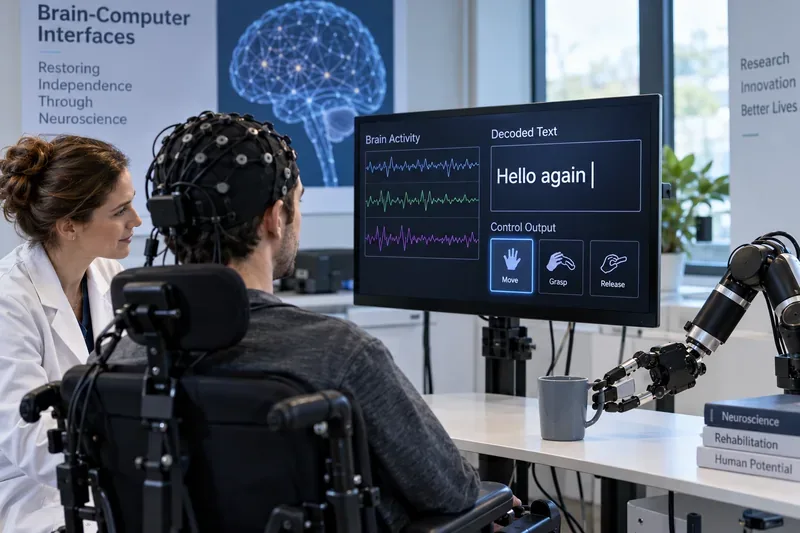
脳コンピューターインターフェースが神経信号をどのように解読してコミュニケーションと運動機能を回復させるのか、最近の研究で何が達成されたのか、そしてBCIの利用を依然として制限している要因は何かを学びましょう。
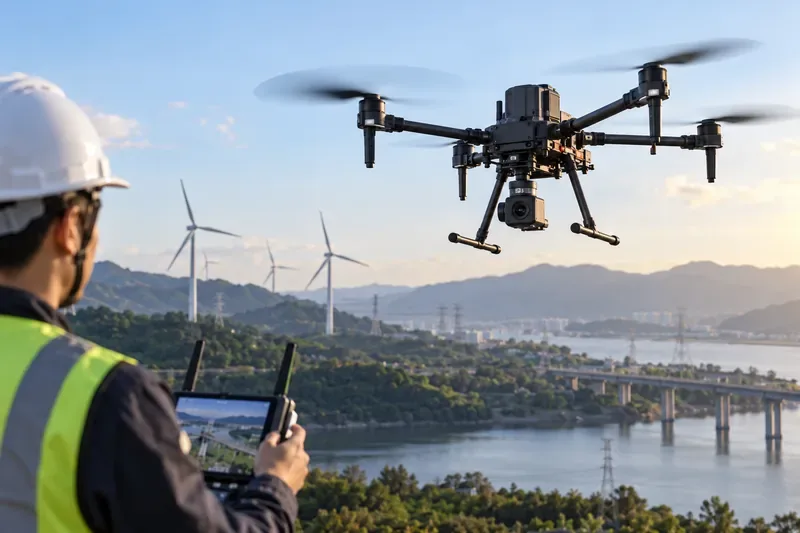
See how commercial drones combine sensors, edge AI, batteries, communications, and flight-control software—and where autonomy still depends on mission and regulation.
Compare seven strong battery and energy storage master's options by materials, systems, research, industry exposure, flexibility, language, and cost trade-offs.
ペイロード質量、バッテリー制限、天候、推進効率、機体構造が産業用UAVの航続時間にどのように影響するか、そしてそれを改善する方法を学びましょう。
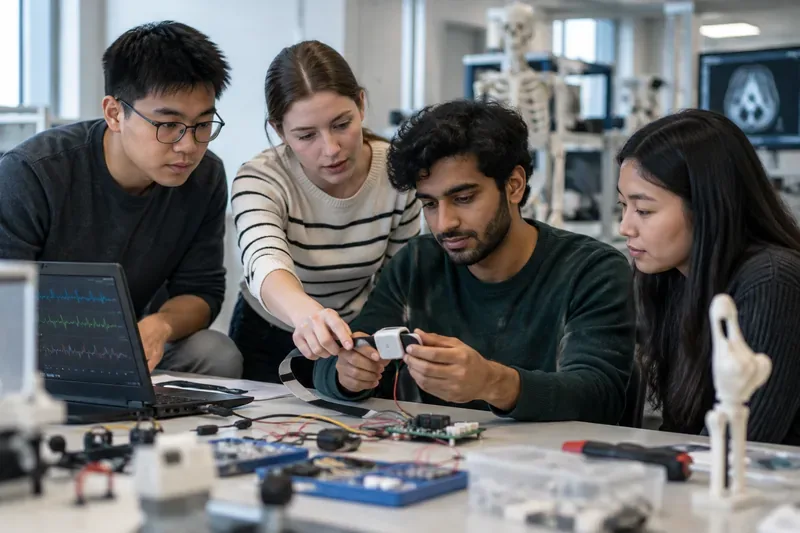
スマート医療機器向けの主要な生物医学工学プログラムを比較検討しましょう。プログラムには、設計、バイオエレクトロニクス、AI、サイバーセキュリティ、臨床研修、規制などが含まれます。
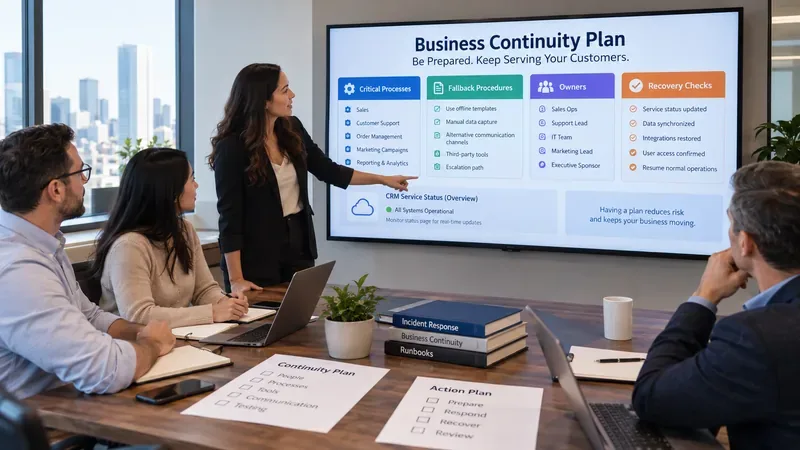
明確な優先順位、代替ワークフロー、復旧チェック、テスト基準、および現実的な制限事項を盛り込んだ、実用的なSalesforceダウンタイム継続計画を策定してください。
StoreForceに問題が発生すると、スケジュール管理、勤怠管理、シフト変更、店舗内コミュニケーションに支障をきたす可能性があります。問題の診断方法、小売業務の円滑な運営、復旧状況の確認方法を学びましょう。
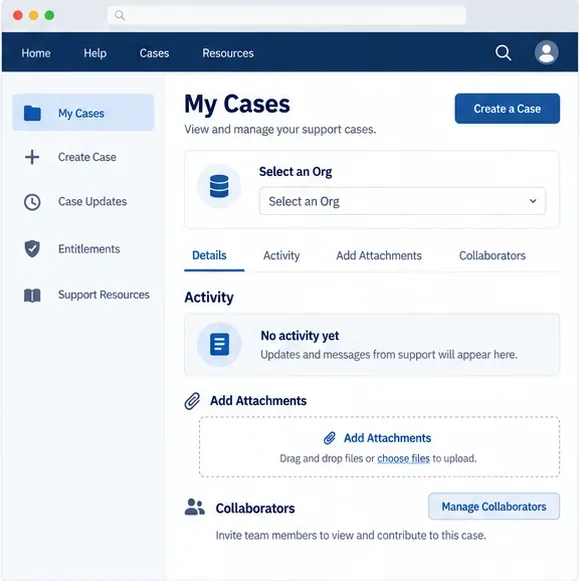
大規模なシステム障害発生時にSalesforceサポートに連絡する方法、適切なチャネルの選択方法、役立つケースの準備方法、重複チケットを作成せずにフォローアップする方法を学びましょう。